
For more than half a century, the work of Fred Hoeppner Sons Builders quietly shaped the neighborhoods, downtown storefronts, and architectural character of Appleton and the greater Fox Valley. From finely crafted homes to landmark commercial interiors, their legacy is one of craftsmanship, family, and community.
This presentation explores the remarkable story of a German immigrant craftsman and the generations that followed him—builders who didn’t just construct buildings, but helped define the city itself.
Tip: For the ultimate viewing experience, select the gear at the bottom of the video and choose 2160p 4K for the best quality.
A Family Story Told From the Inside
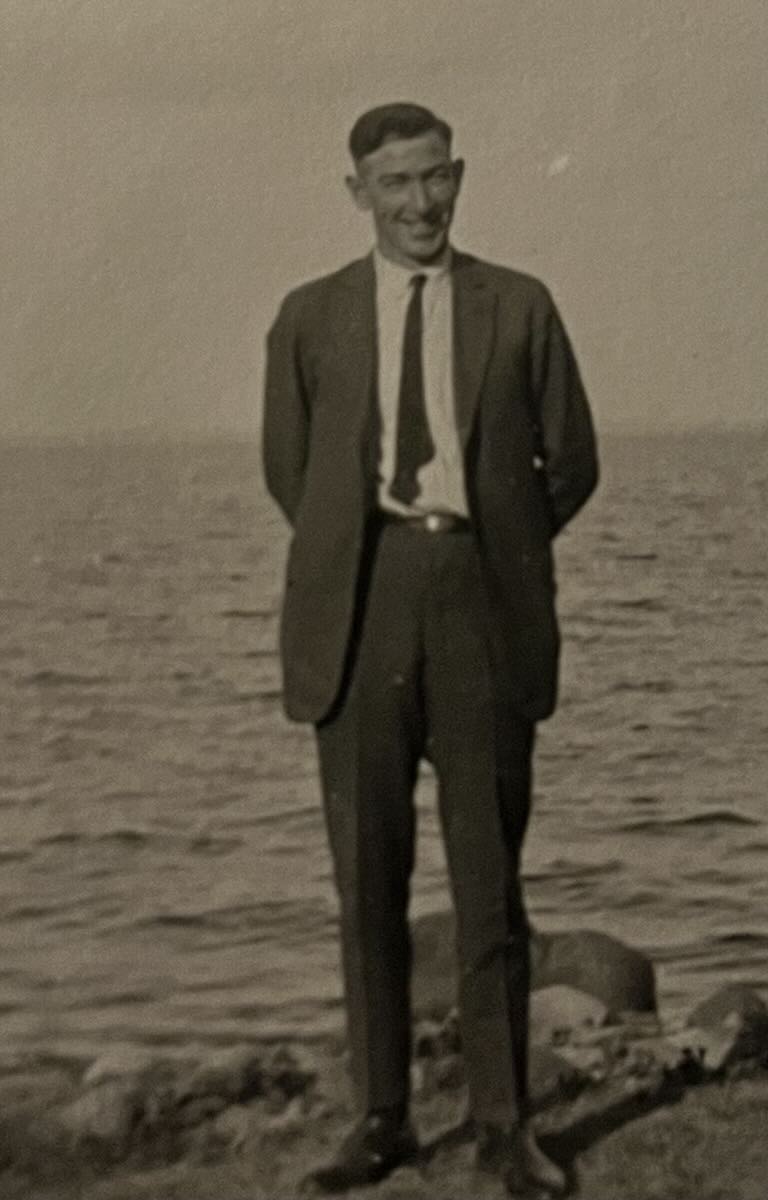 This program is presented by members of the Hoeppner family, whose deep personal connection brings rare insight to the history of the company. Drawing from family archives, historic photographs, original documents, and firsthand memories, the presenters share a story that blends architectural history with lived experience.
The project was developed over several years through collaboration among cousins and family members, combining genealogy research, city records, oral histories, and on-site documentation of surviving homes and buildings.
From Germany to the Fox Valley
The story begins in northern Germany with Friedrich Johann Karl Hoeppner, born in 1852. Trained as a master cabinetmaker and woodworker, Friedrich immigrated to the United States in the 1880s, eventually settling in Neenah and later Appleton.
His skills quickly earned him leadership roles in architectural millwork companies, and by 1906 he founded Fred Hoeppner Sons, establishing a business rooted in Old World craftsmanship and American opportunity.
Naturalization papers, city directories, and early photographs reveal not only the evolution of the company, but also the Americanization of the family itself—from name changes to expanding neighborhoods and growing enterprises.


A Family Business, Across Generations
Fred Hoeppner Sons Builders spanned three generations:
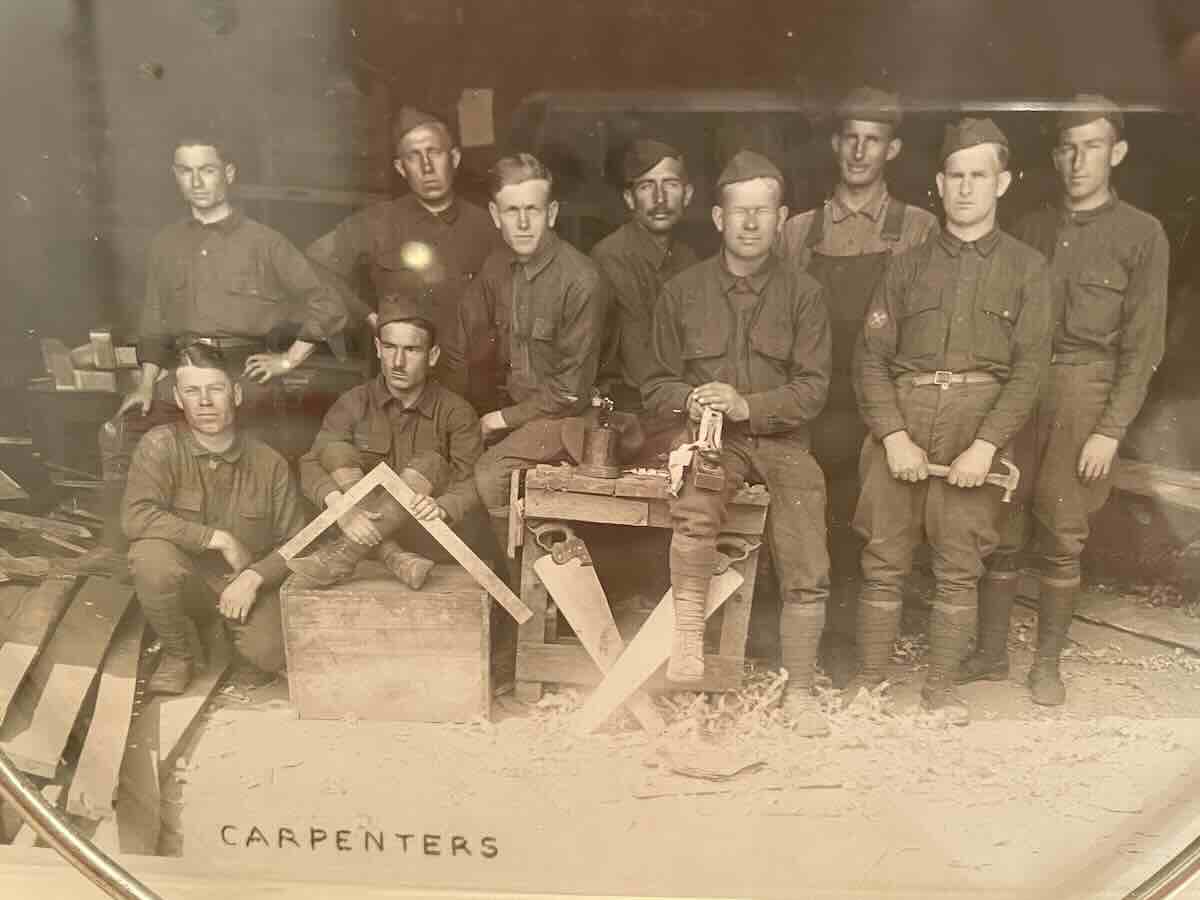
- Generation One laid the foundation, establishing the business and building early homes and millwork that reflected popular architectural styles of the early 20th century.
- Generation Two—four of Fred’s sons—expanded the company’s reach, managing design, fabrication, construction, and customer relations together.
- Generation Three carried the tradition forward through residential construction, remodeling, architectural millwork, and commercial projects well into the mid-20th century.
Each generation brought its own strengths, but all shared a commitment to quality, fairness, and pride in their work.
Homes That Still Stand
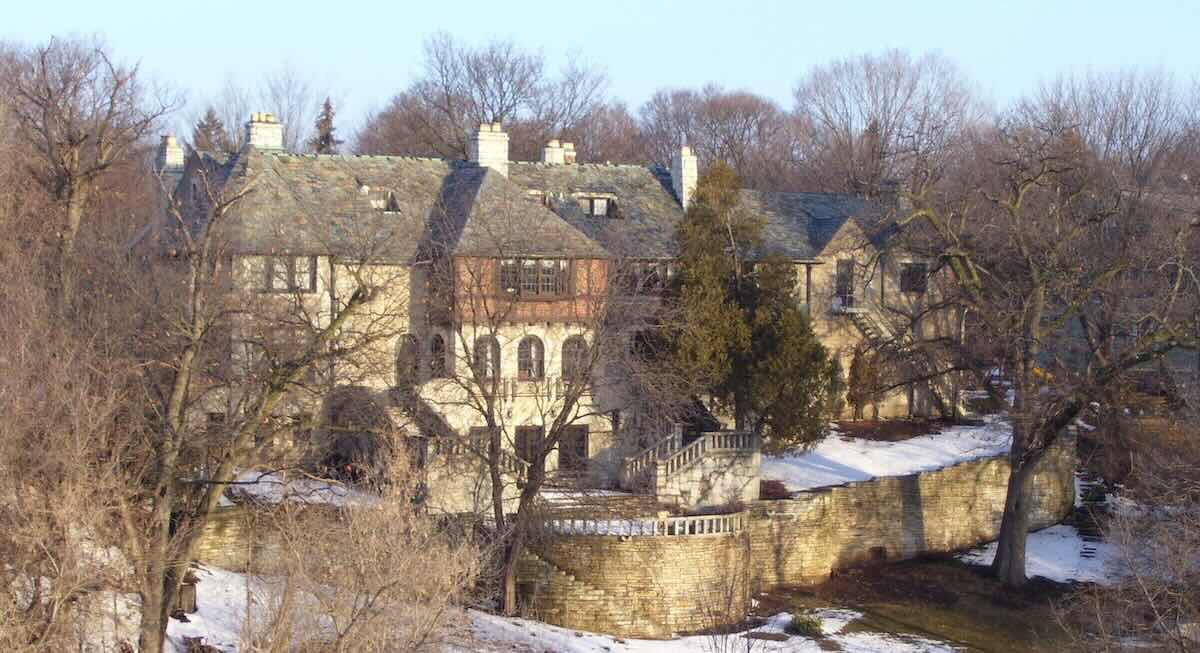
Hoeppner-built homes can still be found throughout Appleton and the Fox Valley—many of them remarkably intact. Styles ranged from Craftsman and American Foursquare homes to Tudor and Cape Cod designs, reflecting both architectural trends and the personal tastes of clients.
One of the most notable residences, the Buchanan Mansion, remains a striking example of the company’s craftsmanship, featuring exceptional woodwork and materials sourced from abroad. Other homes, once rentals or multi-family flats, continue to serve new generations of residents.
A special focus of the presentation is “Hoeppner’s Acre,” a cluster of homes built by the family on land originally purchased in 1904—an area that remained in family ownership for more than 70 years.


Shaping Downtown Appleton
Beyond residential work, Fred Hoeppner Sons played a major role in shaping downtown Appleton. Their craftsmanship can be seen in historic commercial interiors, including:
- The Post-Crescent Building
- First National Bank
- W.A. Close and other College Avenue storefronts
- Early museum and funeral home spaces
Original walnut paneling, custom cabinetry, signage, and architectural details—many still preserved today—stand as lasting examples of their skill.


 Craftsmanship, Community, and Character
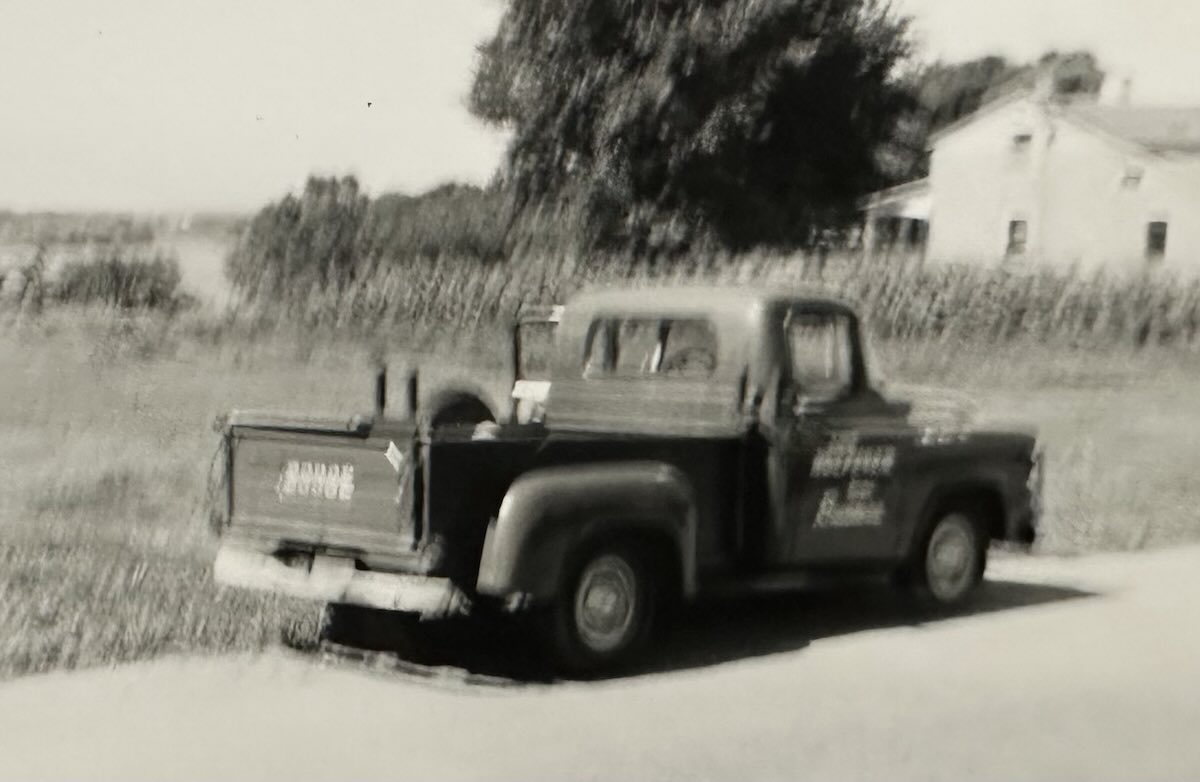
The Hoeppners were known not only for what they built, but how they built it. Workers were paid fair wages, remained employed year-round, and often stayed with the company for decades. During hard times, including the Great Depression, the business adapted—repairing, remodeling, and converting properties to keep crews working.
Family stories shared through audio recordings bring these values to life, offering glimpses of daily routines, generosity toward neighbors, and the close-knit relationships that defined both the family and the business.
A Living Legacy
Artifacts, tools, furniture, original drawings, and documents preserved by the family—and shared through this presentation—help connect past to present. Many of the buildings featured are still standing, still used, and still admired more than a century later.
Together, they tell the story of how one family helped build Appleton, not just in brick and wood, but in community, tradition, and enduring craftsmanship.


